


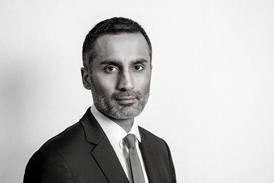











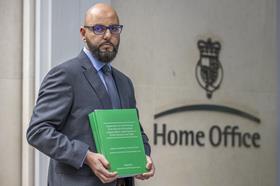
United Nations human rights watchdogs have protested to the government about the alleged ‘harassment, intimidation and misuse of counterterrorism powers’ against lawyer Fahad Ansari.
The solicitor’s treatment by the state raises ‘serious concerns as to the independent exercise of the legal profession and the confidentiality of lawyer-client communications’, five UN special rapporteurs claim in an 11-page letter.
Ansari, a consultant at Duncan Lewis solicitors, was previously principal solicitor at Riverway Law solicitors, which led a legal bid to deproscribe Hamas. After the application was submitted, then shadow home secretary Robert Jenrick and the Campaign Against Antisemitism reported him to the Solicitors Regulation Authority.
Last autumn Ansari issued legal proceedings after he was stopped and questioned at the port of Holyhead by North Wales Police under the Terrorism Act. Officers seized, downloaded, retained and inspected the contents of his work mobile phone. The solicitor is challenging decisions to detain and question him, seize the phone and retain and seek to examine a copy of the phone.
A rolled-up permission hearing in Fahad’s judicial review of North Wales Police and home secretary Shabana Mahmood is listed for 6-7 May.
‘We would like to bring to [your] attention information we have received concerning the alleged harassment, intimidation, and the misuse of counter-terrorism powers against Mr. Fahad Ansari, in apparent retaliation for carrying out his lawful professional functions as a lawyer,’ the special rapporteurs wrote in a letter dated 4 February and seen by the Gazette. ‘The reported retaliatory measures, including politicised vilification, regulatory pressure, detention under schedule 7 of the Terrorism Act 2000, and the seizure and downloading of a work device containing legally privileged material raise serious concerns as to the independent exercise of the legal profession and the confidentiality of lawyer–client communications.
‘Further, we are concerned that such measures threaten to criminalize, stigmatize and have chilling effects against lawyers and legal associations carrying out lawful work in national security and counter-terrorism matters, including with respect to the human rights compliance of proscription regimes, including the right of proscribed entities to seek delisting.’
The letter’s signatories are the UN special rapporteurs on the: promotion and protection of human rights and fundamental freedoms while countering terrorism; promotion and protection of the right to freedom of opinion and expression; rights to freedom of peaceful assembly and of association; independence of judges and lawyers; and right to privacy.
The government replied to the letter on 1 April via the UK Mission to the United Nations in Geneva. It declined to comment ‘in such a way as to prejudice proceedings, as the UK’s police and the courts are all independent of the government of the day’. However, the letter reiterates HM Government’s position that schedule 7 powers to stop, question, and detain individuals at UK ports were not misused.
‘Schedule 7 is designed to be effective at protecting the UK and its people from terrorism, whilst ensuring the work and material of lawyers is also protected,’ the reply adds. ‘HMG recognises the importance of legal professional privilege and has put in place safeguards to protect this information.’
Further reading: Exclusive: Lawyers urge Lammy - and the Law Society - to defend solicitor who brought Hamas case