



















The US tomorrow joins Belarus, Afghanistan and Iran as the focus of an international Day of the Endangered Lawyer. The event has been observed for the past 16 years to highlight challenges faced by lawyers in a particular jurisdiction. A central aim is to call attention to the UN Basic Principles on the Role of Lawyers, which set out states’ obligations to safeguard lawyers’ independence and protect them from harassment.
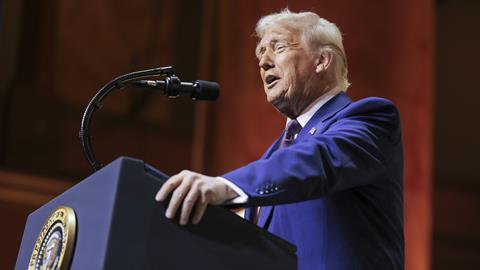
Explaining the decision to focus on the US, the Coalition for the International Day of the Endangered Lawyer said threats to lawyers ‘are not confined to countries with political systems widely acknowledged as authoritarian or fragile’. In the US, longstanding tensions and structural vulnerabilities have intensified in recent years, ‘creating a novel convergence of pressures on the legal profession that merits our sustained scrutiny’. Among these, the report says, are ‘executive interventions into the professional space of law firms’ – a reference to president Trump’s restrictions on firms which had acted in cases against the administration.
Meanwhile, judicial independence has come under increased assault. ‘The mounting barrage of politicised criticism directed at judges includes threat of removal, calls for impeachment and efforts to delegitimise unfavourable rulings.’
Overall, the coalition perceives the growth of ‘a chilling effect on legal advocacy’. It predicts that lawyers will ‘increasingly decline clients or case types that could attract political attention, reputational controversy or regulatory scrutiny’.
It concludes: ‘An attack on the independence of the legal profession is an attack on the core of democracy.’
The Law Society is a member of the coalition. President Mark Evans said: ‘The Day of the Endangered Lawyer gives us a chance to reflect on lawyers, past and present, who have been targeted for practising law, defending people and protecting their country’s legal system. We will continue to support and join in speaking out against any illegitimate actions against lawyers anywhere in the world.’









5 Readers' comments