
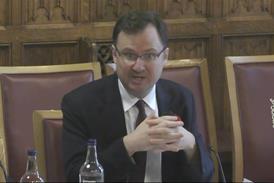



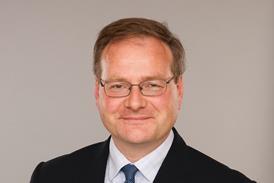










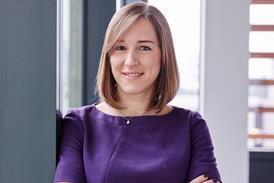




Political language denigrating lawyers is one of the four key steps to authoritarian government, the UN’s special rapporteur on the independence of judges and lawyers said last night. Margaret Satterthwaite, professor of law at New York University School of Law, was speaking at a Law Society event on why threats to lawyers are a threat to us all.
Satterthwaite set out four warning signs of 'autocritisation':
- Capture of the independent bar, where independent bodies are 'taken over and weaponised'
- Curbing professional associations of lawyers, for example by removing their ability to discipline members of the profession
- ’Instrumentalisation’ - the criminlisation of lawyers representing unpopular causes
- ’Weaponisation of popular discontent’ by using derogatory language. Verbal attacks by 'regular people in everyday life' can prompt extremists into making those attacks physical, she said.
A panel discussion chaired by BBC journalist Clive Myrie heard first-hand accounts of physical threats to lawyers in Belarus - and the UK.
Natasha Williams, partner at 'an immigration law firm' spoke of finding herself on a list of immigration practitioners circulated by an extremist group. 'I'm proud of being a lawyer and it was a shock for me to have to hide my name,' she said.
Meanwhile Jacqueline McKenzie, partner at Leigh day, recalled when acting in the cases against the Rwanda deportation scheme discovering that a dossier about her past had been leaked to four Sunday newspapers. McKenzie, who is black, detected a racist element in her singling-out. 'Of all the more than 100 lawyers working on Rwanda, two were Asians, all the rest white Europeans, and then there was me. I was responsible!'
Read more
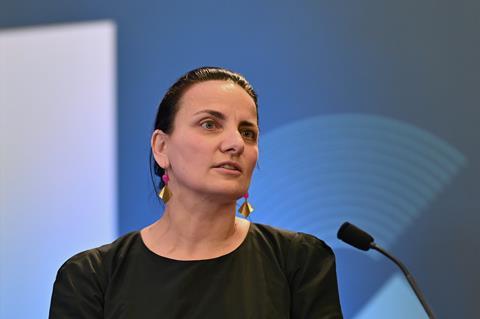
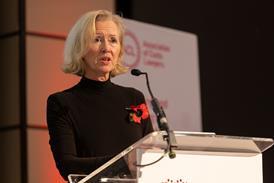
Opening the event, Law Society vice president Dana Denis-Smith said without the work of lawyers, the rule of law 'wears very thin'. Recalling her own upbringing in Communist Romania she said: ’We had rights on paper but nobody we could safely ask to enforce them’.
One step the UK government can take now to protect lawyers, she said, is to ratify the 2025 Council of Europe Convention on the Protection of the Lawyer, which states that lawyers must not be identified with their clients.
‘If you’re not a solicitor, this is still your problem,’ Denis-Smith said. ‘Most of us will need legal help at some stage in our lives.’




No comments yet