






















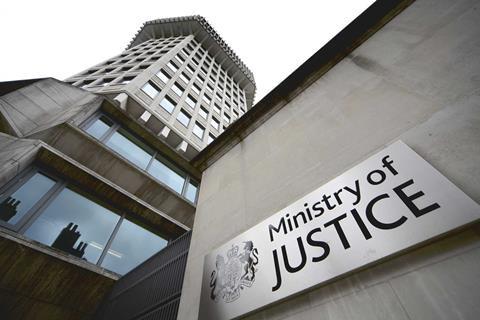
The Ministry of Justice has told a pay review body that it can only afford to give judges a 2.3% pay rise despite inflation rising to 3.1% in August.
The pay recommendation appears towards the end of the ministry’s evidence pack for the 2027/28 judicial pay annual award to the Senior Salaries Review Body, published last week.
Defending the below-inflation pay rise, the ministry says: ‘Having an effective and independent judiciary remains a key departmental priority. However, the department faces fiscal constraints and demand-led pressures across prisons, probation, courts and legal aid. This is alongside wider spending commitments, cost pressures and inflationary pressures. In this context, we must make difficult choices about where resources can have the greatest impact.
‘Any changes to judicial remuneration must therefore be affordable, sustainable and deliver value for money, recognising that an award above the funded level would require trade-offs against other priorities across the justice system. This is particularly challenging given the limited flexibility within existing budgets and the need to manage emerging operational pressures during the year.’
The ministry points out that inflation is predicted to fall to 2.4% in 2027/28. However, judges may take hope from the fact the ministry told the SSRB’s 2026/27 annual review that it could afford only a 2% pay rise - yet the SSRB recommended a 3.8% pay rise and the lord chancellor settled at 3.5%.
That 3.5% pay rise means total judicial remuneration costs climbed from £830m in 2025/26 to £888m in 2026/27 - though the ministry says the final figure will be much higher after lifting the financial cap on sitting days to cut the Crown court backlog. Employer pension contributions account for a third of judicial payroll costs: the employer contribution rate is currently 62.3%.





No comments yet