






















The Law Society has backed reforms that would give couples greater freedom in where and how they tied the knot - provided the wedding venue is safe and both sides can give genuine consent.
Over a decade after the Law Commission declared that weddings law was ‘out of date, complex and uncertain’, the Ministry of Justice unveiled reforms to give couples more choice over who officiates their wedding, where they can marry and how they celebrate.
The Society, in its submission, said it broadly supports reforms that remove unnecessary barriers to marriage and accommodates religious, non-religious and cultural traditions – provided there are appropriate safeguards to ensure marriages are entered into freely knowingly and with the required capacity.
On wedding venues, the Society said private homes do not need a separate legal framework, but officiants must be able to speak to the parties privately about any concerns and ensure the couple can participate freely in the ceremony without inappropriate influence from others. For weddings that take place in territorial seas or inland waters, the Society highlighted the need for particular attention on passenger safety, weather conditions, vessel stability, accessibility and emergency arrangements.
The Society advised against a prescriptive list of prohibited ‘gimmick-based or trivialising acts’ and said: ‘We recognise that wedding ceremonies increasingly reflect the personalities, cultures, beliefs and preferences of the couple. Humorous, symbolic, theatrical or unconventional elements may be meaningful to those participating and should not be regarded as inappropriate solely because they depart from traditional expectations.’
Religious or non-religious belief content, such as readings, cultural traditions or music, should be permitted in civil ceremonies provided the ceremony remains legally recognisable as a civil wedding, the Society added.
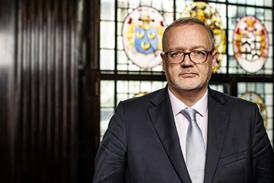
The government’s consultation closed last week. Society president Mark Evans said: ‘This is a once-in-a-generation opportunity to create a weddings framework that reflects modern society. The right reforms can give couples greater freedom over how and where they marry, while strengthening safeguards, maintaining legal certainty and ensuring people understand the significance of the commitment they are making.’





3 Readers' comments