





















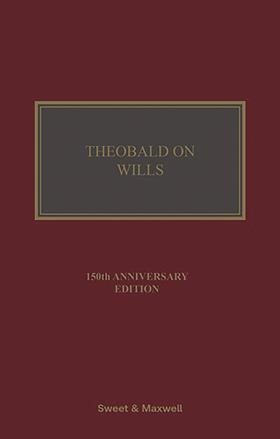
Theobald on Wills (20th edition)
Editors: Alexander Learmonth KC, Chief Master Shuman, Charlotte Ford, Thomas Fletcher
£395, Sweet & Maxwell
★★★★★
Theobald’s 150th anniversary edition offers detailed analysis of whether a will is valid, what its provisions mean and how they operate. Its 999 pages of substantive commentary, without statutory appendices, provide considerable depth for practitioners advising on wills and the disputes arising from them.
This 20th edition extends well beyond its origins as a construction treatise. Its readership includes will drafters, private client solicitors, contentious probate practitioners, barristers and judges.
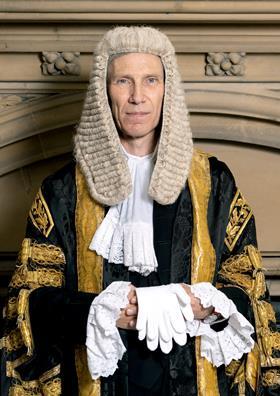
Lord Justice Nugee’s (pictured) foreword supplies a judicial perspective. Drawing on his experience of disputes concerning execution, capacity, knowledge and approval, fraudulent calumny, revocation, construction and rectification, he illustrates the breadth of questions courts must resolve. An earlier edition was cited by the Supreme Court in Marley v Rawlings, while the editors record at least 110 citations in the Law Commission’s final report on wills reform.
The 20-chapter section ‘Understanding a Will’ combines construction and evidence with rectification, procedure and detailed treatment of testamentary gifts and interests. Its subjects include identifying beneficiaries and property, conditions, vesting and the execution of powers. The discussion explains both the assistance available from surrounding circumstances and the limits on changing or supplying words. This helps drafters anticipate difficulties and assists practitioners when wording produces competing claims.
The treatment of undue influence illustrates the book’s analytical value. It distinguishes testamentary coercion from the equitable doctrine applicable to lifetime transactions, and examines vulnerability, circumstantial evidence and proof. Fraudulent calumny receives separate treatment. The undue influence section also critically examines the commission’s proposed reforms and the evidential difficulties they seek to address.
The relationship with Williams, Mortimer & Sunnucks matters to purchasing decisions. The editors have deliberately reduced duplication and developed the titles as a complementary pair. Detailed contentious probate procedure and fuller treatment of 1975 Act claims sit in the companion volume. Practices covering substantive wills law and probate litigation should anticipate needing access to both.
There are no drafting precedents or model wills; readers seeking those can supplement it with Kessler’s Drafting Trusts and Will Trusts.
These boundaries leave a substantial specialist work, supporting both preventative advice and the analysis of disputes. Its particular value lies in explaining the legal consequences of testamentary choices and imperfect language. For practitioners regularly confronting difficult wills questions, the anniversary edition provides ample reason to return to its pages.
Justin Patten is a solicitor and principal at Human Law, Bishop’s Stortford, Hertfordshire. He is the author of the book, The Out-of-Court Executor







No comments yet