



















Jack the Ripper: The First Suspects
M J Trow
£22, Pen & Sword Books
★★★★✩
This is an easy-to-read book for anyone with an interest in one of the most infamous, unsolved series of crimes in British history. For the legal practitioner, however, it serves as more than just a historical true-crime narrative. It comprises an accessible case study on the systemic failures and cognitive biases that can derail an investigation.
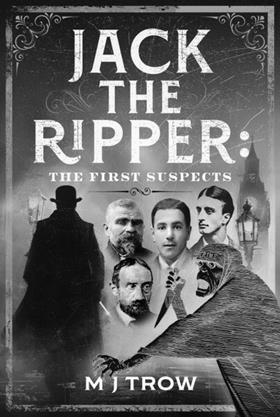
Trow outlines many of the investigative hurdles in 1888 that, surprisingly, still challenge the justice system today. He details the many suspects, leads left unfollowed, inconsistent witness statements, lost or misplaced evidence and poorly maintained records. As modern law students and practitioners, we look at these errors through a contemporary lens. Investigators today have vast technological advantages over their Victorian counterparts – from digital cross-referencing and database searches, to DNA profiling and CCTV. Yet, as modern case law reminds us, vital clues can still be missed. Trow’s breakdown of these historical slip-ups provides a sobering reminder of how easily procedural integrity can crumble under pressure.
Crucially, Trow’s focus on the ‘first suspects’ brings the legal mechanisms of the era to the forefront. Rather than indulging in modern conspiracy theories, the book tracks how Victorian authorities applied the evidential thresholds of the day when suspects were hauled before local magistrates’ courts or questioned by solicitors or the police. For a legal reader, this is where the book shines analytically. It strips away the classic myth of the ‘toff’ – the wealthy gentleman in a cape and top hat – and shows how legal practitioners of 1888 had to grapple with problematic eyewitness testimony and flimsy alibis in an era before forensic profiling even existed.
As lawyers, our focus naturally returns to the human element of accountability. The killer’s victims, regardless of their background or standing in Victorian society, deserved justice. Trow’s book is an engaging reminder of the human cost of a compromised investigation.
Cheryl Rowlands is a BPC student, ULaw (Moorgate)



No comments yet