























The Solicitors Regulation Authority has been left with a ‘bloody nose’ in trying and failing to regulate so-called strategic litigation against public participation (SLAPPs), MPs heard yesterday.
The Commons justice select commitee was taking evidence from campaigners and lawyers on the use of legal threats to prevent victims of sexual violence speaking out about their experience. Verity Nevitt, co-founder of The Gemini Project, a non-profit organisation working to end sexual violence, told the committee that she had faced a SLAPP by someone she had accused of sexual assault. She gave evidence to the committee alongside Harriet Wistrich, chief executive of Centre for Women’s Justice, Rupert Cowper-Coles, partner at international firm RPC and barrister Jennifer Robinson, of Doughty Street Chambers.
Nevitt said that in strategic litigation 'the legal merit of the case does not always come into play. They know they can exhaust a defendant emotionally and financially far before they’ll ever get to trial where they deploy a defence of truth and public interest. It becomes far more about whether a defendant can withstand the process of it.
‘When you experience rape or sexual assault, choice is taken from you and being subject to a SLAPP replicates those dynamics,' she said. 'You have no choice but to be subject to it - either you engage in proceedings or you’re forced to settle due to costs. SLAPPs allow a flipping of the script where the perpetrator is presented as a victim of wrongdoing and the victim survivor is presented as the aggressor by being made a defendant. It is an egregious reversal of reality and the ultimate form of gaslighting.’
Read more
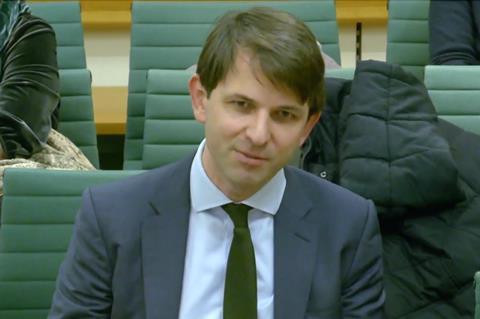
Asked about regulation of law firms, Cowper-Coles said: ‘The SRA have been trying to regulate conduct in this area more vigilantly…and almost every one of those cases has fallen flat on its face and highlighted just where the law lies at the moment.'
One of the cases investigated involved a solicitor doing something that their own barrister said could be seen as akin to blackmail, Cowper-Coles said. 'They went ahead with that threat and there were no consequences.
‘The SRA have, frankly, got a bloody nose from the way they have tried to respond to SLAPPs. Without reform, solicitors at the moment can be part of the problem.’
Asked what sort of reform he would like to see, Cowper-Coles said: ‘I think, as a minimum, before you embark on litigation there should be some sort of obligation of due diligence – looking into your client’s case and the truth of it. If you want to pursue libel proceedings through a court, there should be some obligation on the solicitor to satisfy themselves that the instructions they are receiving are accurate.’
A suggestion of an ‘ethical rule’ for solicitors and barristers around the proportionality of correspondence was made by Sarah Russell MP. Would such a rule be ‘unworkable and too demanding? Cowper-Coles agreed that ‘any procedural reform to try and get a quicker process, a more proportionate process which penalises anything like that – document dumping – would be really sensible’.
Referring to lawyers’ ‘paramount’ duty to the court, Cowper-Coles said: ‘There also a duty not to take unfair advantage'. However when the SRA tried to take action over this, they have got nowhere, he said: ‘The way that duty to the court and the duty not to take unfair advantage has been interpreted, to my knowledge, has not led to any censure of a single misleading letter before action, aggressive litigation tactic or anything of that sort since the SLAPP debate began.’
The subject of the SRA’s access to privileged material - a subject of ongoing litigation - was also raised. Cowper-Coles said: ‘Privilege is a fundamental right, but ... solicitors need to know their correspondence could be seen by a regulator. Without that at the back of your mind, bad conduct is going to flourish.' This is an area for the Law Commission and parliament to look at, he said. 'Even in the cases of the worst behaviour, if you cannot go behind privilege ever I think poor conduct will not be caught and there will be systemic breaches of the rules that will not come to light.’





No comments yet