






















The Railway Murders: Significant Cases in British Railway History
Malcolm Clegg
Pen & Sword, £25
★★★★✩
The invention of railways 200 years ago sped the Industrial Revolution. Raw materials could be moved much faster and more cheaply than before. Railways also changed working patterns, with trains now carrying commuters.
But railways were loved and loathed. Lone passengers were vulnerable to crime. Before the advent of open carriages or corridor trains, passengers were shut away with strangers in compartments.
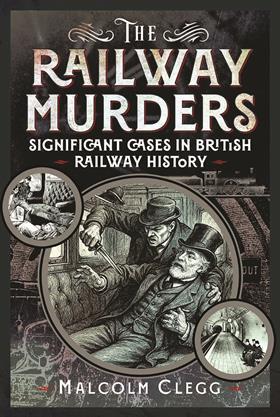
In charting 19th-century homicides and taking the reader through to modern crime and terrorism, one is struck by the horrifying violence and greed in many of the cases recounted here. They are told like short stories. Many earlier crimes were committed to cover up an unwanted childbirth or to do away with a partner. People even sent – by the railway parcel service – the bodies of babies and children to errant fathers and their spouses. The first railway murderer was hanged on a track-side gibbet.
The book also explores the introduction of communication cords in order to summon help, corridor trains, and the invention of the telegraph, which enabled suspects to be arrested. Most of the crimes were before DNA, blood analysis and even fingerprints.
Many criminals were executed. One assistant executioner was sacked after celebrating the night before an execution with a prostitute who robbed him. There are also accounts of attempts on the lives of Queen Victoria and a High Court judge in the 1880s.
This is a fascinating book, though surprisingly it has no further reading list, or list of sources or references.
David Pickup is a partner at Pickup & Scott Solicitors, Aylesbury







No comments yet