























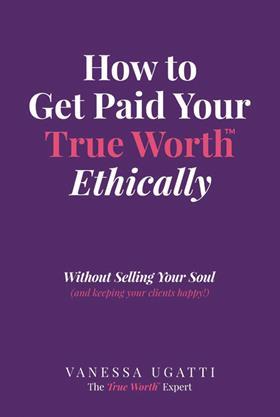
How to Get Paid Your True Worth Ethically: Without Selling Your Soul (and keeping your clients happy!)
Vanessa Ugatti
£17.20, Life Sized Publishing
★★★★✩
At first glance, the title might raise a wry smile. Getting paid your true worth, ethically, without selling your soul? Some might wonder whether that is an oxymoron when it comes to lawyers. This is essentially a self-help book for lawyers, but a particularly engaging and practical one. Reading it feels rather like having a conversation with someone who has spent years working with lawyers and law firms, understands their challenges and, importantly, knows what she is talking about.
In my experience advising law firms, at the heart of every lawyer-client relationship lies a fundamental question: what is our expertise really worth, and do we have the confidence to charge for it?
Ugatti approaches these issues with refreshing common sense, but behind this lies a clever framework addressing the psychology of charging.
The book takes the reader through chapters exploring the nine principles underpinning her True Worth approach. Each provides practical guidance on changing how professionals think about charging and the value of their services. They include Taking Charge and, one I particularly enjoyed, Understanding Value.
Lawyers can be brilliant technical experts in their chosen fields. Yet when it comes to charging for their expertise, some can be remarkably clueless, uncomfortable or even embarrassed about discussing fees with clients. There is often a fear that charging what their services are genuinely worth might damage client relationships. As Ugatti puts it: ‘None of this is about ability. It is about confidence, self-worth.’ That gets to the heart of the problem. Experience, judgement and the ability to solve complex problems have a value lawyers themselves sometimes fail to appreciate.
This book is not simply about charging more. It is about developing the confidence to charge ethically without compromising client relationships. There is also a clever Quick Pricing Checklist for those still unsure about their rates. If I have one criticism, it is that the book might have benefited from a chapter exploring pricing strategy within law firms and how this dovetails with Ugatti’s wider thesis on value, confidence and the psychology of charging. After all, recognising your own worth is one thing; translating that into a coherent pricing strategy across a law firm is quite another.
The book’s real strength is its universal relevance. Whether you are newly qualified, an experienced partner or running your own practice, the message is equally powerful. We all need reminding occasionally that it is not just about the value we deliver to clients, but about recognising our own worth.
Jeff Zindani is a London-based law firm consultant and M&A broker, specialising in connecting legal practices with strategic investors and growth opportunities









No comments yet